 HR
 DE
 FR
 IT
Dubrovnik
The walled city at the far south of Croatia — medieval stone ramparts around a marble old town, deep-blue sea, and green islands and a wine peninsula within an easy day trip.
Search stays in DubrovnikDubrovnik's old town is a UNESCO-listed marble maze inside almost two kilometres of city walls you can walk right around in an hour and a half, looking down on terracotta roofs and out to the Adriatic. It is compact, spectacular and busy — best explored early or late in the day, with the wall circuit done first to get your bearings.
The region rewards spreading out. The nature-reserve island of Lokrum is a short boat hop for swimming and shade; quieter Cavtat sits just down the coast; and the Pelješac peninsula (wine and oysters) and green island of Mljet make excellent day trips. Beaches here are pebble and rock — Banje by the old town is the classic — and stays run pricier than the rest of the coast.
Where to stay in Dubrovnik
Around Dubrovnik you can choose between sleeping inside the walls, in residential neighbourhoods a bus ride away, or in the smaller coastal towns of the riviera. Each option trades convenience for calm and price in a different way.
Old Town and Pile
Inside the walls you step straight out into marble streets, churches and the harbour, and you get the city to yourself early in the morning and late at night. It suits couples and short visits, but it is the most expensive place to stay, completely car-free and full of steep stone steps, so heavy luggage is hard work. Pile, just outside the western gate, gives almost the same access with slightly less crowding. Driving into the area around the walls now needs a permit or a pre-booked parking space.
Ploče
East of the old town, Ploče climbs the hillside above Banje beach and has some of the best views back towards the walls and Lokrum. It is upscale and fairly quiet, with an easy walk to the Ploče gate and the start of the cable car nearby. It suits couples who want to be close to the old town without sleeping in it. The trade-off is hills and steps, and parking is limited and expensive.
Lapad
Lapad is a residential peninsula west of the centre with a pedestrian promenade, cafés, pine trees and Sunset beach at the head of Lapad bay. It is a good all-round base for families and for longer stays: calmer and generally cheaper than the old town, with shallow swimming and frequent buses to Pile in around a quarter of an hour. Parking is easier than near the walls, although it is still worth booking a stay that includes it.
Babin Kuk
At the outer end of the Lapad peninsula, Babin Kuk is greener and more resort-like, with large hotels, pools, rocky swimming spots and Copacabana beach. The promenade continues here from Lapad, so you can walk between the two. It suits families and people who want a beach holiday with the old town as a day out. Buses run into the centre, and the Gruž harbour is close for island ferries.
Gruž
Gruž is Dubrovnik's working port, with the ferry terminal and the main bus station. It is usually the most affordable part of the city and very practical if you plan to take ferries to the Elaphiti islands, Mljet or Korčula. It is not a beach area and has less charm than Lapad or the old town, but buses to Pile are frequent and parking is more realistic.
Cavtat, Mlini and the northern bays
South of the city, Cavtat is a relaxed harbour town set between two wooded peninsulas, with promenades, clear water and a much slower pace, and it is only a few minutes from the airport. Mlini and Srebreno, between Cavtat and Dubrovnik, have calm beaches and waterfront restaurants. To the north, Zaton and Slano are quiet bays with a village feel. These areas suit families and couples with a car who prefer calm over city buzz; stays are often cheaper and parking easier.
Beaches
Banje
The classic beach just outside the Ploče gate, with a view of the walls and Lokrum. It is pebble, and the public part is free; you pay only for loungers, umbrellas and the beach club. There is little natural shade and it gets crowded in summer. Walk from the old town in a few minutes.
Sunset beach, Lapad
The largest beach in the city, at the head of Lapad bay, with a mix of fine pebble and sand and a gentle slope into calm water, which makes it good for children. Cafés and shaded promenade are right behind it. Buses from Pile stop close by.
Copacabana, Babin Kuk
A lively beach of gravel, pebbles and rock at the tip of the Lapad peninsula, with fairly shallow water, beach bars and water sports in season. It is known for sunsets and is popular with families and younger crowds. Reach it on foot along the Lapad promenade or by local bus.
Sveti Jakov
A quieter pebble and rock beach below the cliffs east of Ploče, reached by steps down from the road. The water is clear and the view back to the old town is one of the best in the area. Facilities are limited, so bring what you need. It suits couples and confident swimmers.
Lokrum island
A short boat ride from the old port, Lokrum is a protected, car-free island with rocky swimming spots, ladders into the sea and a small saltwater lake known as the Dead Sea, which is sheltered and calm. Boats run from spring to late autumn. Nobody may stay overnight, so watch the time of the last boat back.
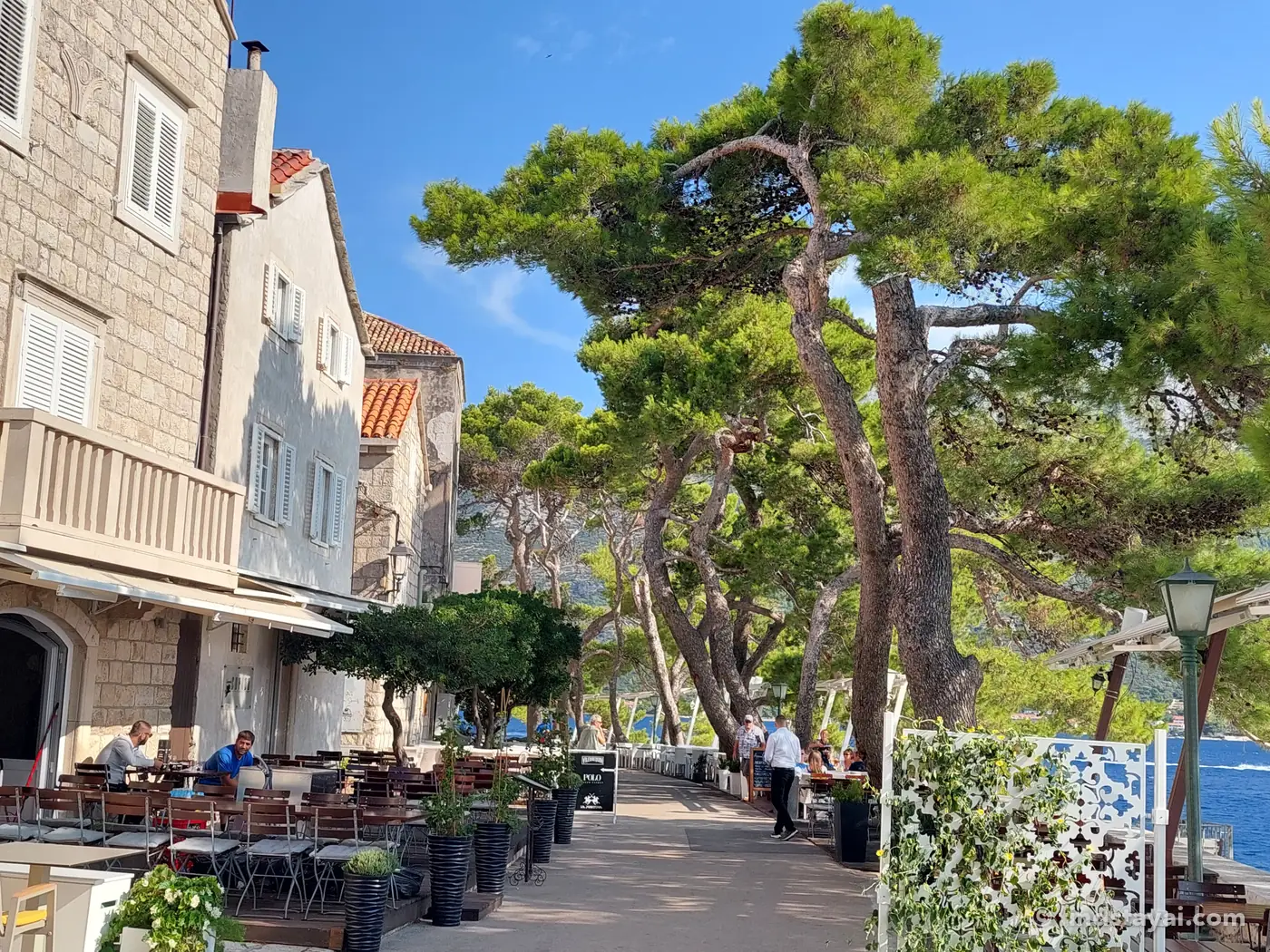
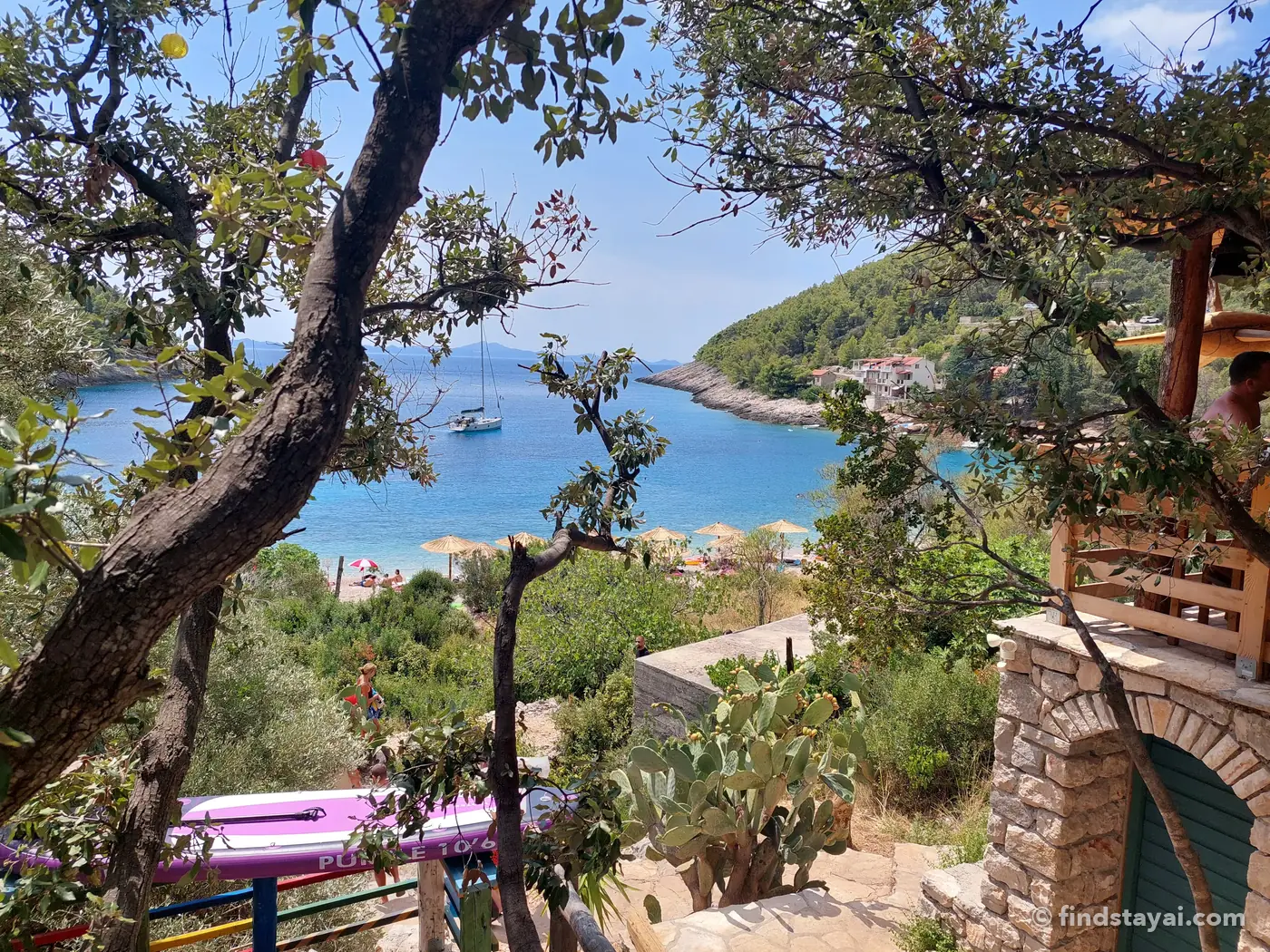
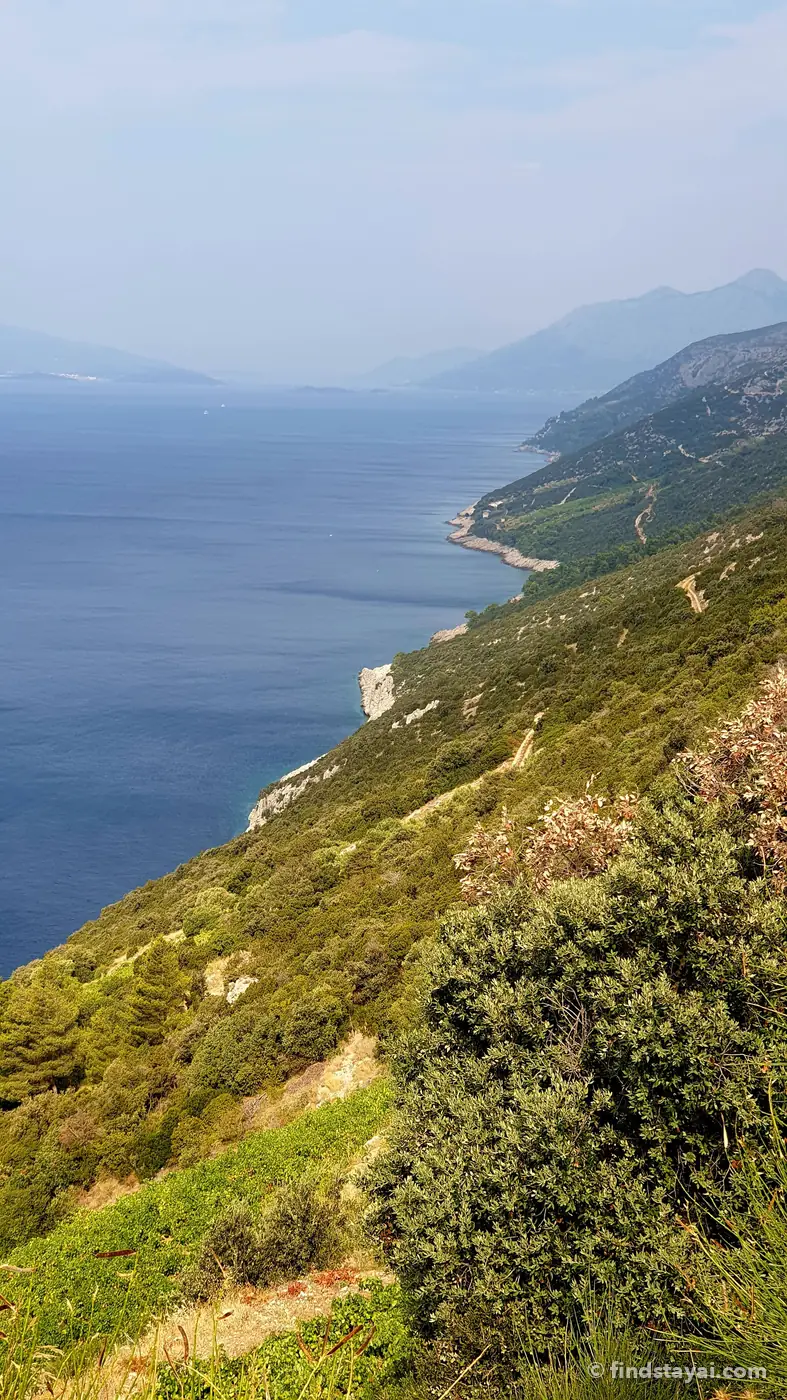
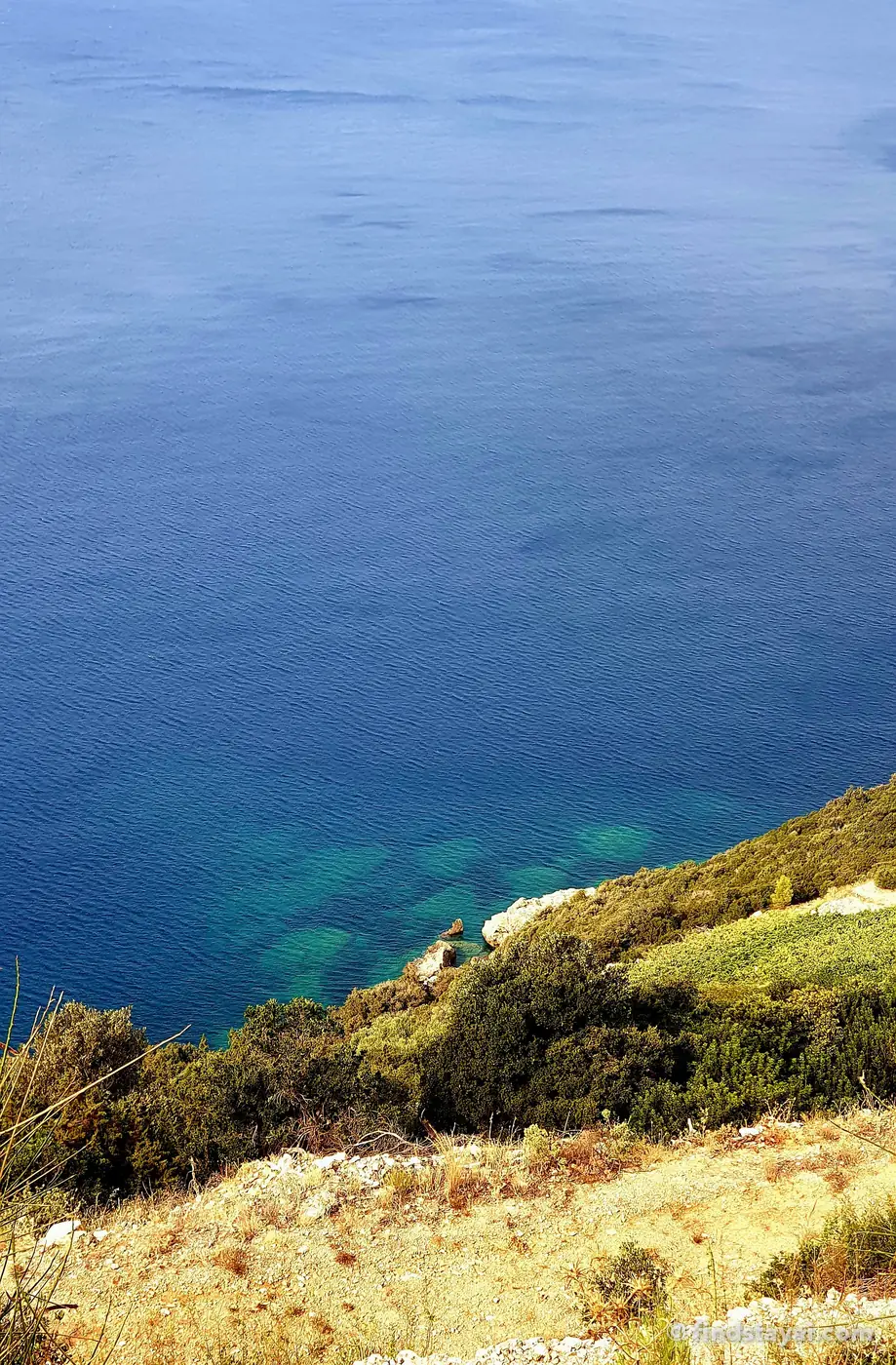
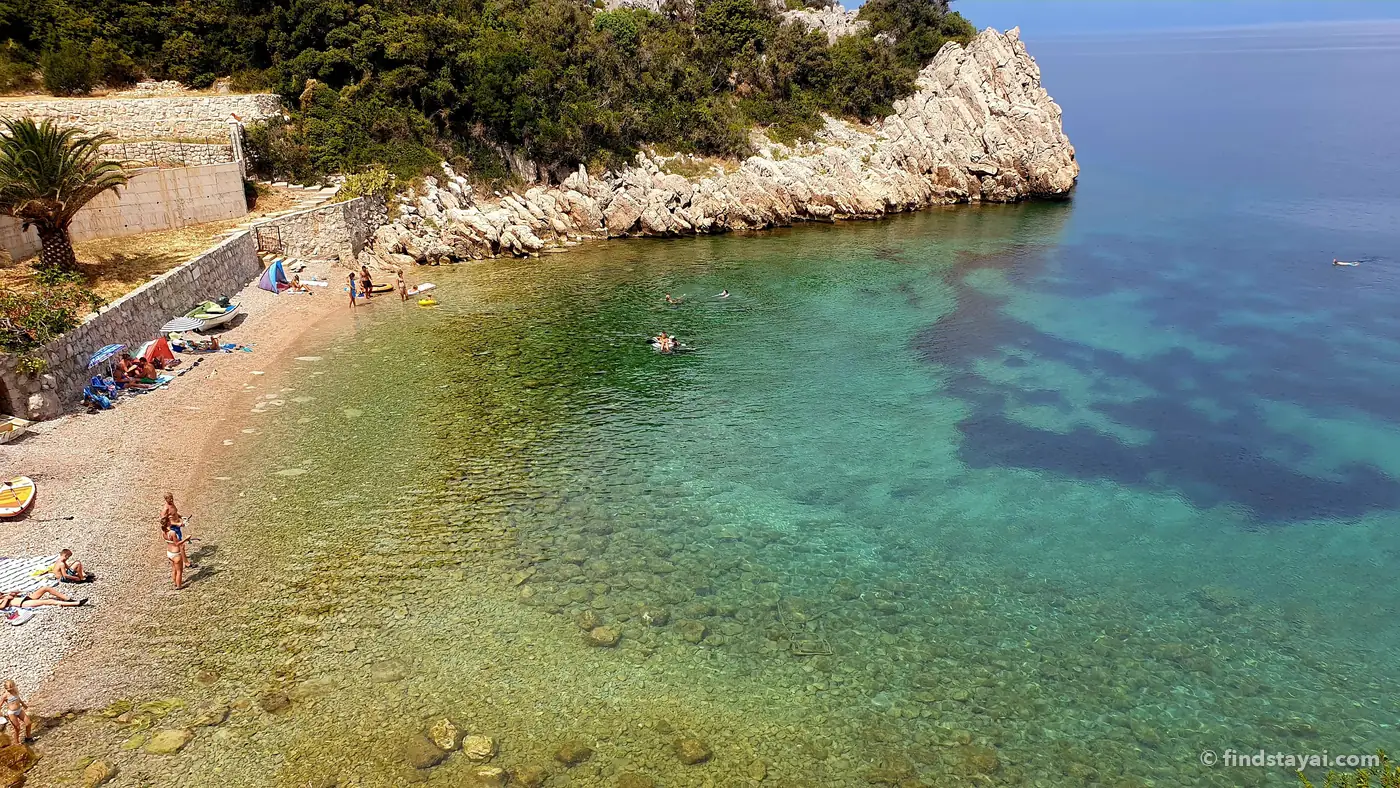
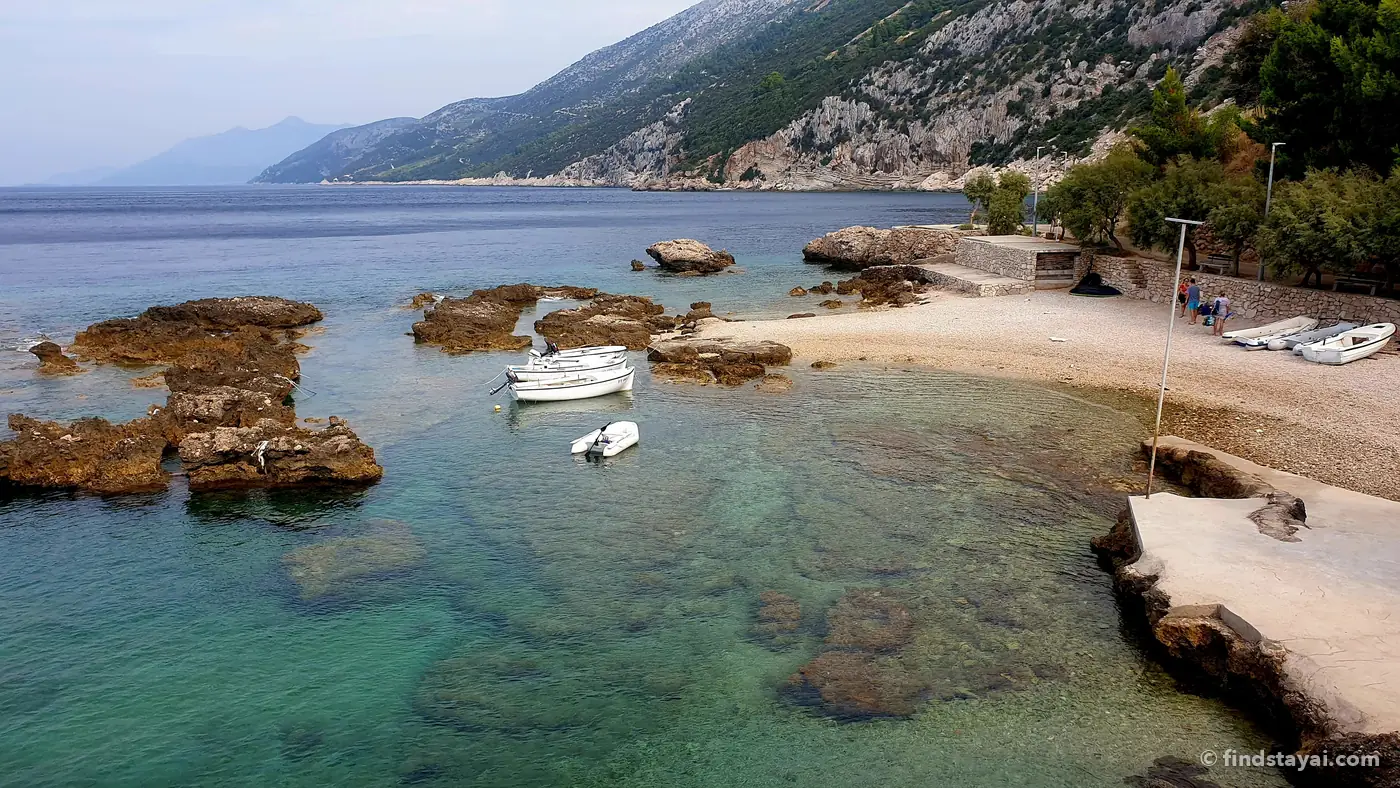
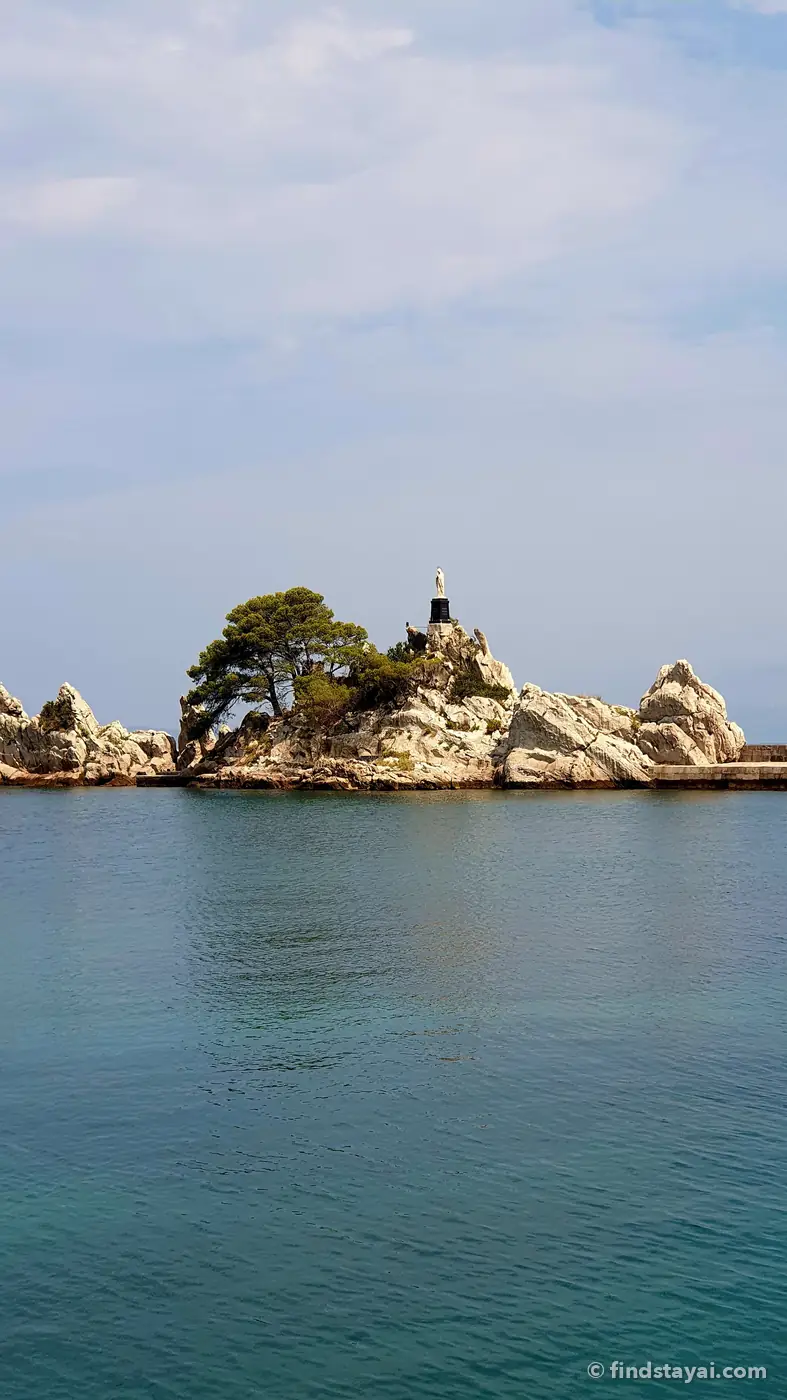
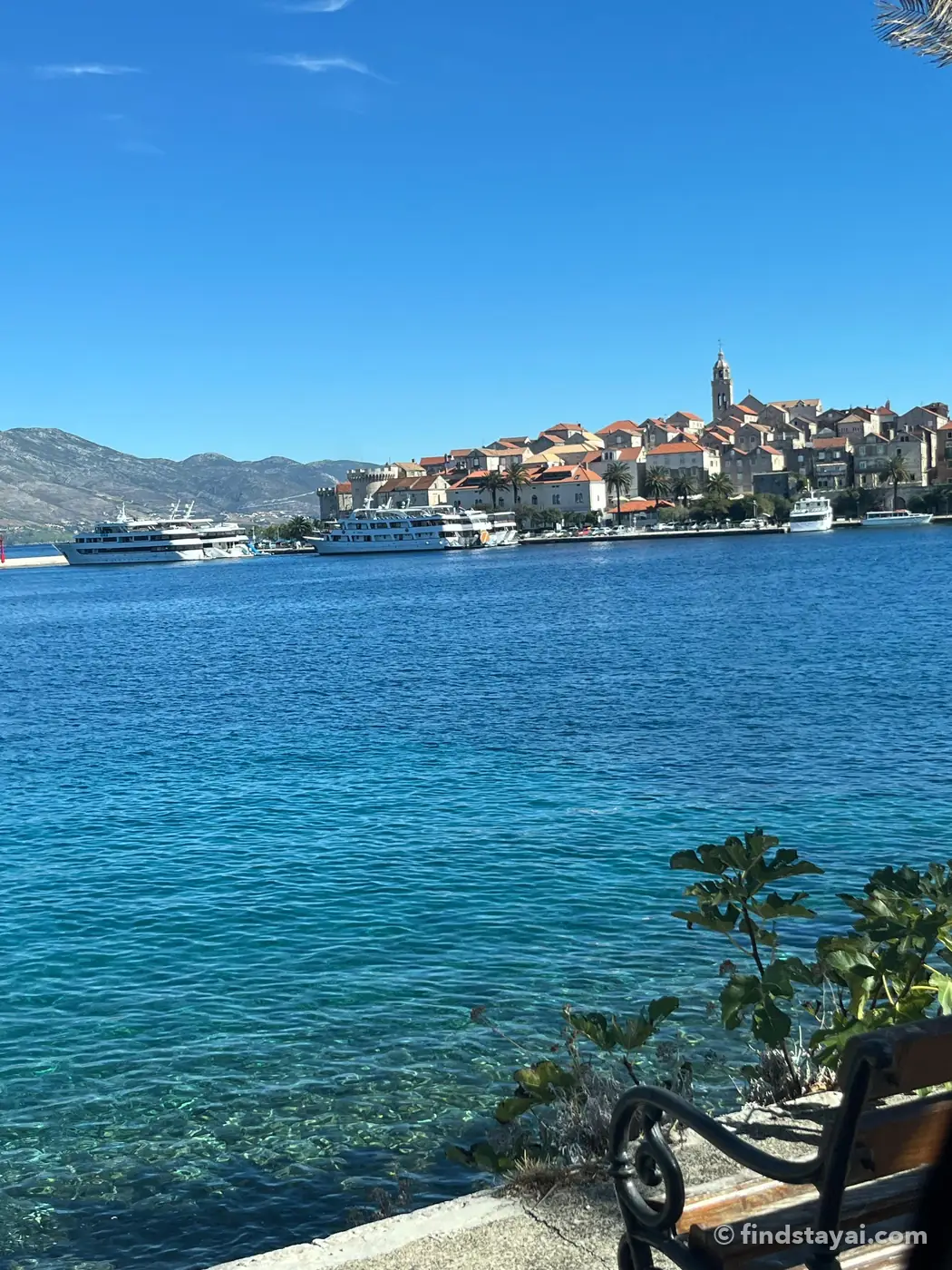
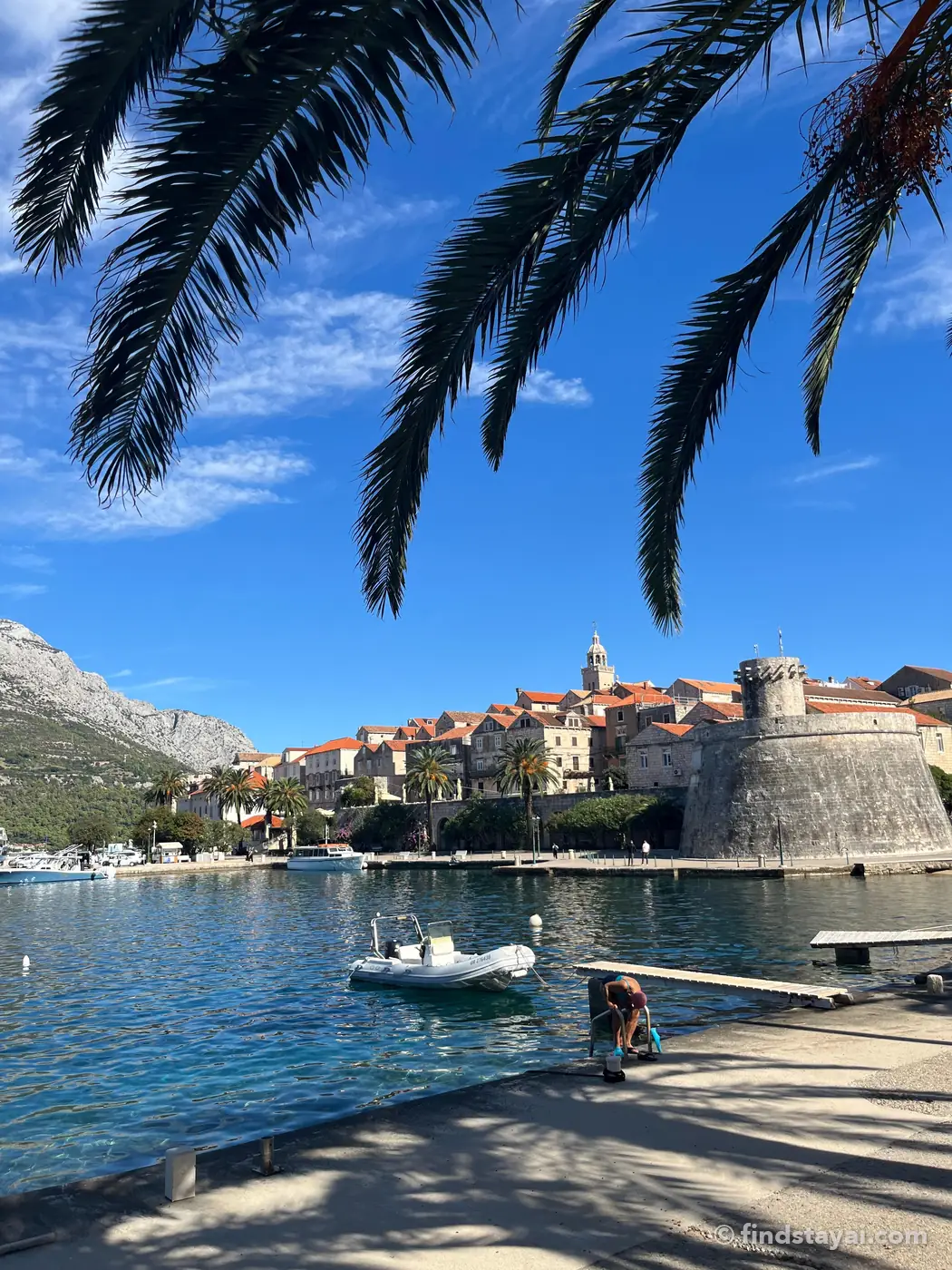
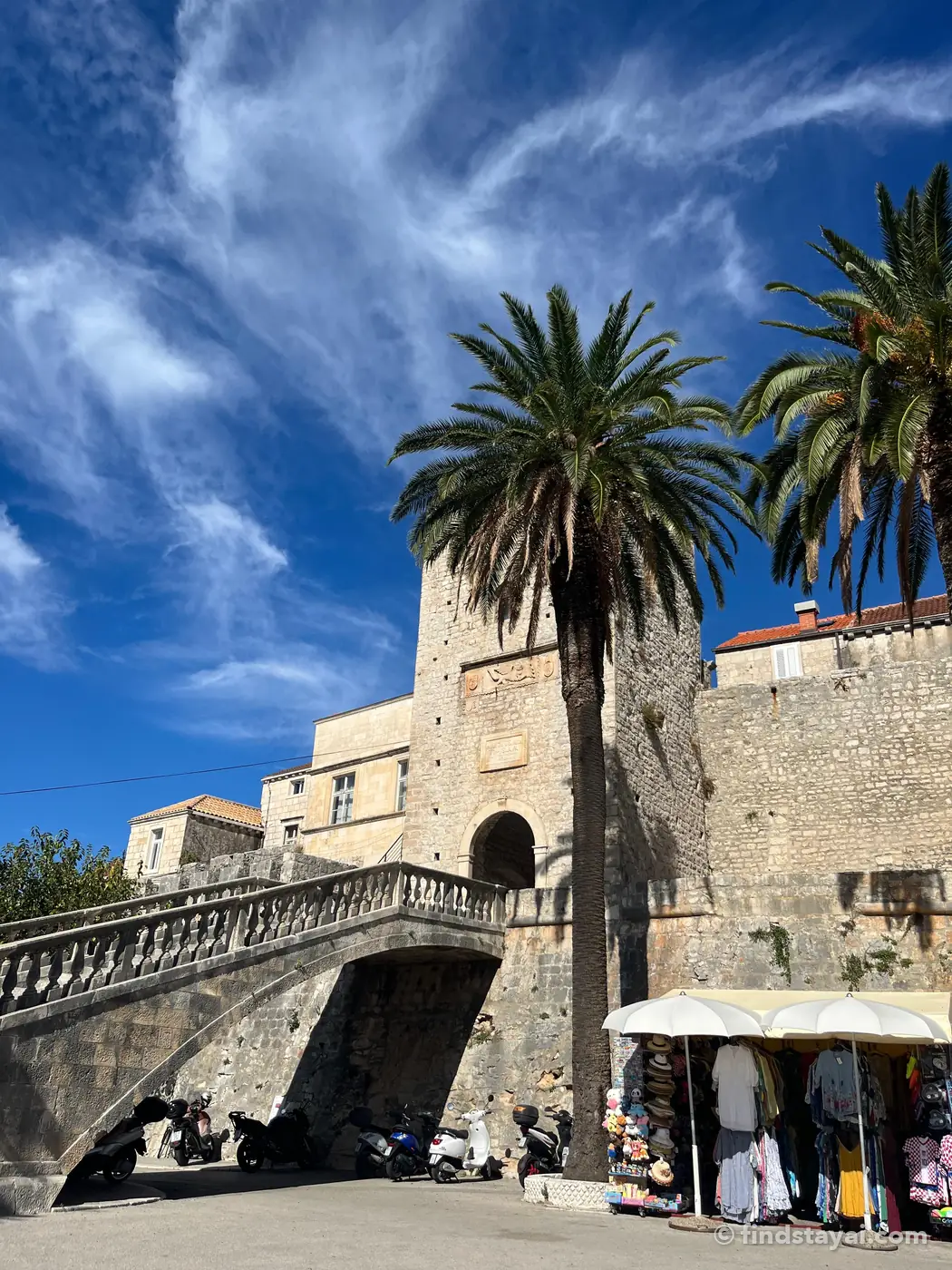
Our photos: Korčula and Pelješac
Korčula lies north-west of Dubrovnik, reached by catamaran or by road over the Pelješac peninsula and a short ferry. Pelješac itself is known for its wines, above all Dingač. Taken by our team on the coast. Tap a photo to open it larger.
Getting there and around
Dubrovnik Airport is at Čilipi, about 20 kilometres south-east of the city and only a few kilometres from Cavtat. The transfer into Dubrovnik usually takes 30 to 35 minutes, longer in peak summer traffic, and an airport shuttle bus runs to the old town and the main bus station at Gruž. From Split, the Pelješac bridge, opened in 2022, lets you drive the whole way on Croatian territory and skip the border crossings at Neum. Catamarans also link Split and Dubrovnik in season, and ferries from Gruž serve the Elaphiti islands, Mljet and Korčula.
Getting around the city is easiest by local bus, which connects Pile with Lapad, Babin Kuk and Gruž, and runs to Cavtat and the riviera villages. A car is useful for Cavtat, Konavle or the Pelješac peninsula but a burden in the centre. A traffic-regulated zone now surrounds the old town, and entry needs a permit or a pre-booked parking space; the Ilijina Glavica garage, a walk above Pile, is the nearest public option. Choose a stay with parking if you are driving.
When to go
July and August are hot, crowded and at their most expensive, with the sea usually in the mid-twenties. The Dubrovnik Summer Festival runs every year from 10 July to 25 August, staging theatre and concerts in squares, forts and palaces around the old town. Midday in the old town is at its most crowded, so plan sightseeing for early morning or evening. June and September bring warm water, long days and noticeably more space. May and October are pleasant for walking the walls and for day trips, though the sea is cooler. Dubrovnik stays open through winter as a city, but many beach bars close, island boats and catamarans run a reduced service and the Lokrum boats stop over the winter months.
Good to know
- Walk the city walls first — the full circuit takes about 1.5–2 hours; go early to beat the heat and crowds.
- Beaches are pebble and rock (Banje is the famous one); it's the priciest part of the Croatian coast.
- Great day trips: Lokrum island, Cavtat, the Pelješac wine peninsula and the green island of Mljet.
- The old town is car-free and hilly — look for a stay with parking just outside the walls.
Where people stay
Popular spots in and around Dubrovnik:
Find the right kind of stay
Smaller places around Dubrovnik
Stays in Dubrovnik right now
Loading current offers…
Frequently asked questions
Where is the best area to stay in Dubrovnik?
For atmosphere and walking distance to everything, the old town or Pile, though they cost the most and are car-free with many steps. For a beach-and-sightseeing mix, Lapad is the usual favourite, with a promenade, Sunset beach and frequent buses. Babin Kuk suits resort-style family holidays, Gruž suits budget travellers and ferry users, and Cavtat suits those who want a quieter town.
Can I drive to Dubrovnik old town?
Not into it: the old town is pedestrian-only, and since 2025 a traffic-regulated zone around the walls allows entry only with a permit or a pre-booked parking space. The Ilijina Glavica garage is the closest public option. It is usually easier to park in Lapad or Gruž, or at your accommodation, and take a local bus to Pile.
How do I get from Dubrovnik Airport to the city?
The airport at Čilipi is roughly 20 kilometres from the old town. An airport shuttle bus connects it with the Ploče gate of the old town and the main bus station in Gruž, and taxis and transfers take around half an hour, longer in summer traffic. Cavtat is much closer, usually only about ten minutes by car.
Does Dubrovnik have sandy beaches?
Mostly no. Dubrovnik's beaches are pebble, gravel or rock, with swimming platforms and ladders along much of the coast. Sunset beach in Lapad has a mix of fine pebble and sand and a gentle slope, which makes it the most child-friendly city beach. Water shoes are a good idea, especially on Lokrum and at rocky spots.
Is Cavtat a good base for visiting Dubrovnik?
Yes, if you prefer a calmer holiday. Cavtat is a small harbour town with promenades, clear water and restaurants, and it is only a few minutes from the airport. Local buses run regularly to Dubrovnik. You trade the late-night buzz of the old town for quieter evenings and, often, better value.
When is the Dubrovnik Summer Festival?
It runs every year from 10 July to 25 August. Theatre, classical music and dance are performed in open-air venues around the old town, including squares, forts and palace courtyards. It is one of the region's main cultural events, so accommodation fills early; check the official festival programme for performances and tickets.
Find your stay in Dubrovnik
Describe what you need — dates, who's travelling, budget, how close to the beach — and our AI finds matching apartments, rooms and houses.
Start your search →Live availability and prices come from our booking partners. Numbers above are approximate and change with the season.