 HR
 DE
 FR
 IT
Zadar
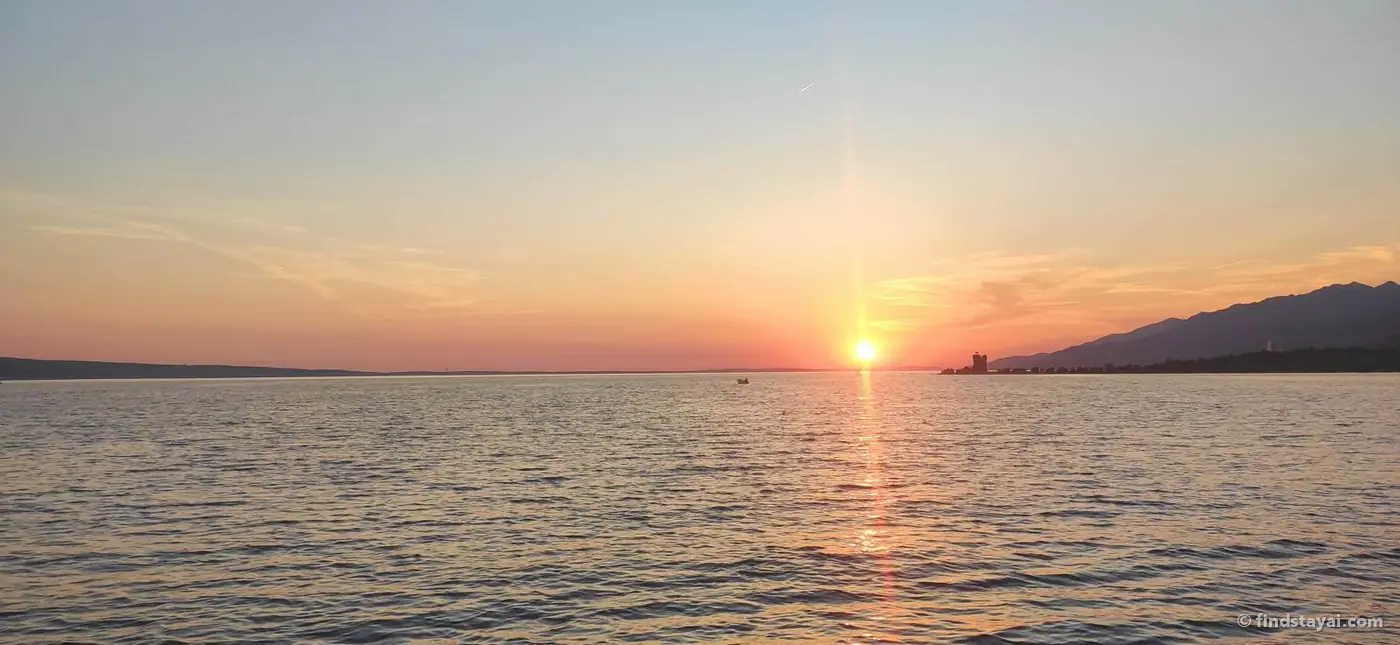
A Roman-and-Venetian old town on a compact peninsula, famous for a sunset that Hitchcock called the world's best — and for a waterfront that actually plays music.
Search stays in ZadarZadar's old town packs a Roman forum, the round 9th-century church of St Donatus and a cathedral bell tower into a walkable peninsula. On the tip, the Sea Organ turns waves into sound and the Greeting to the Sun glows after dark, right where the sun drops cleanly into the sea. It's a real city, so it stays lively in shoulder season too.
The coast around Zadar is unusually varied: sandy and shallow bays at Nin and toward Privlaka and Sukošan make it good for families, while boat trips reach the Kornati islands and the sandy Saharun beach on Dugi Otok. Most stays are apartments and holiday homes in the seaside villages just outside the centre.
Where to stay in Zadar
The Zadar riviera stretches roughly from Nin and Privlaka in the north to Sukošan in the south, with the city itself in the middle. Where you stay decides whether your days revolve around old stone streets or sandy, shallow bays.
Zadar city and the peninsula
Stay on or near the peninsula if the town itself is the point: the Roman forum, St Donatus, the Sea Organ and the waterfront promenade are all a short walk apart. It suits couples and first-time visitors who want restaurants and evening life on the doorstep. The old town is largely pedestrian and parking there is limited and paid, so a stay across the footbridge or near Kolovare, with its own parking, is often easier. Kolovare, a pine-shaded town beach, is within walking distance.
Diklo, Borik and Puntamika
These seaside neighbourhoods north-west of the centre feel more like a resort edge of the city than a village. Borik has a long stretch of beach backed by pines, cafés and water-sports rentals, while Diklo is quieter and residential, with small coves and a harbour. City buses run into the centre, so you can mix beach days with evenings in town. A good pick for families who want the city close without staying in it, and parking at the property is usually straightforward.
Petrčane, Kožino and Zaton
North of the city, Petrčane is a small fishing village that fills up in summer, with a pine-covered headland (Punta Skala) and a mix of pebble and concrete swimming spots. Kožino, between Diklo and Petrčane, is quieter and mostly holiday homes. Zaton, further on towards Nin, is built around a large holiday resort with plenty of family facilities. You will want a car here; in exchange you get calmer evenings and easy access both to Zadar and to the sandy beaches around Nin.
Nin and Vrsi
Nin is a tiny historic town on an islet in a shallow lagoon, reached by small stone bridges, and it sits at the heart of the largest area of sandy beach in Croatia. The Queen's Beach and the lagoon beaches are made for toddlers, and the steady wind draws kite and windsurfers. Neighbouring Vrsi and Mulo are quieter, with a mix of sand and pebble coves. Families and anyone who prefers sand to pebbles should look here first. Evenings are gentle rather than lively.
Privlaka
Privlaka sits just before the bridge to Vir and has more of our stays than any other village on this coast. It is flat and spread out, with long sandy bays such as Sabunike and Mostina where the water stays shallow a long way out, ideal for small children and non-swimmers. The bora wind that blows down from Velebit makes Sabunike a well-known surfing spot. It is a quiet, family-oriented village, so plan on a car and trips into Zadar or Nin for more choice.
Bibinje and Sukošan
South of Zadar, Bibinje has a palm-lined seafront promenade and a string of small beaches, some with sandy seabeds. Neighbouring Sukošan is home to D-Marin Dalmacija, the largest marina in Croatia, and has a lively little harbour. Both are a short drive from the city and the airport, which makes them practical for shorter stays. They suit families and couples who want a village rhythm with restaurants within walking distance. Parking at private apartments is usually included.
Beaches
Kolovare (Zadar)
The main city beach, a short walk east of the old town. Mostly pebbles with some sandy patches, shaded by pines, with bars, a shop and lifeguards in season. The water shelves gently near the shore. It gets busy on summer afternoons, but it is the easiest swim if you are staying in town.
Borik (Zadar)
About four kilometres north of the centre, a long stretch mixing fine pebbles, sand and concrete sunbathing areas under pine trees. Shallow near the shore, with showers, changing cabins, cafés and water-sports rentals. City buses serve the area, and there is room for everyone even in August.
Queen's Beach (Nin)
A sandy beach around three kilometres long on the edge of the Nin lagoon, with water so shallow you can walk out a long way. Little natural shade, so bring a parasol. Known for the mineral-rich mud nearby that people use for aches and joints, and for its view of Velebit.
Sabunike and Mostina (Privlaka)
Sandy, shallow bays that are among the best on this coast for small children. Mostina has showers, changing booths and cafés, while Sabunike is a favourite with windsurfers and kitesurfers when the wind picks up. Shade is limited, so an umbrella helps.
Zukve (Vrsi)
A long, less crowded beach between Nin and Vrsi, with sandy stretches mixed with pebbles. Good for a calmer swim and for watching the sun go down. Facilities are more modest than at the town beaches, so bring water and shade.
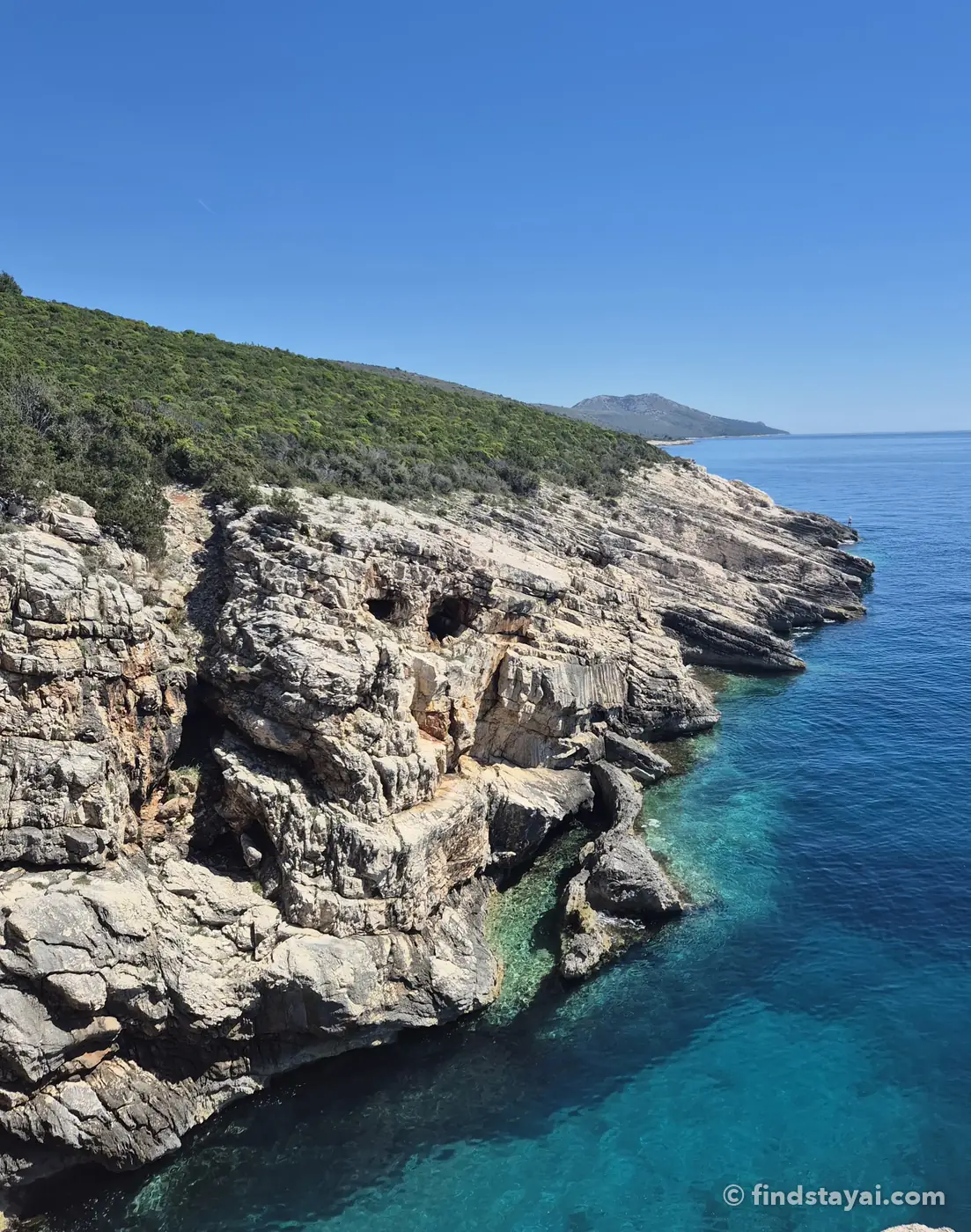
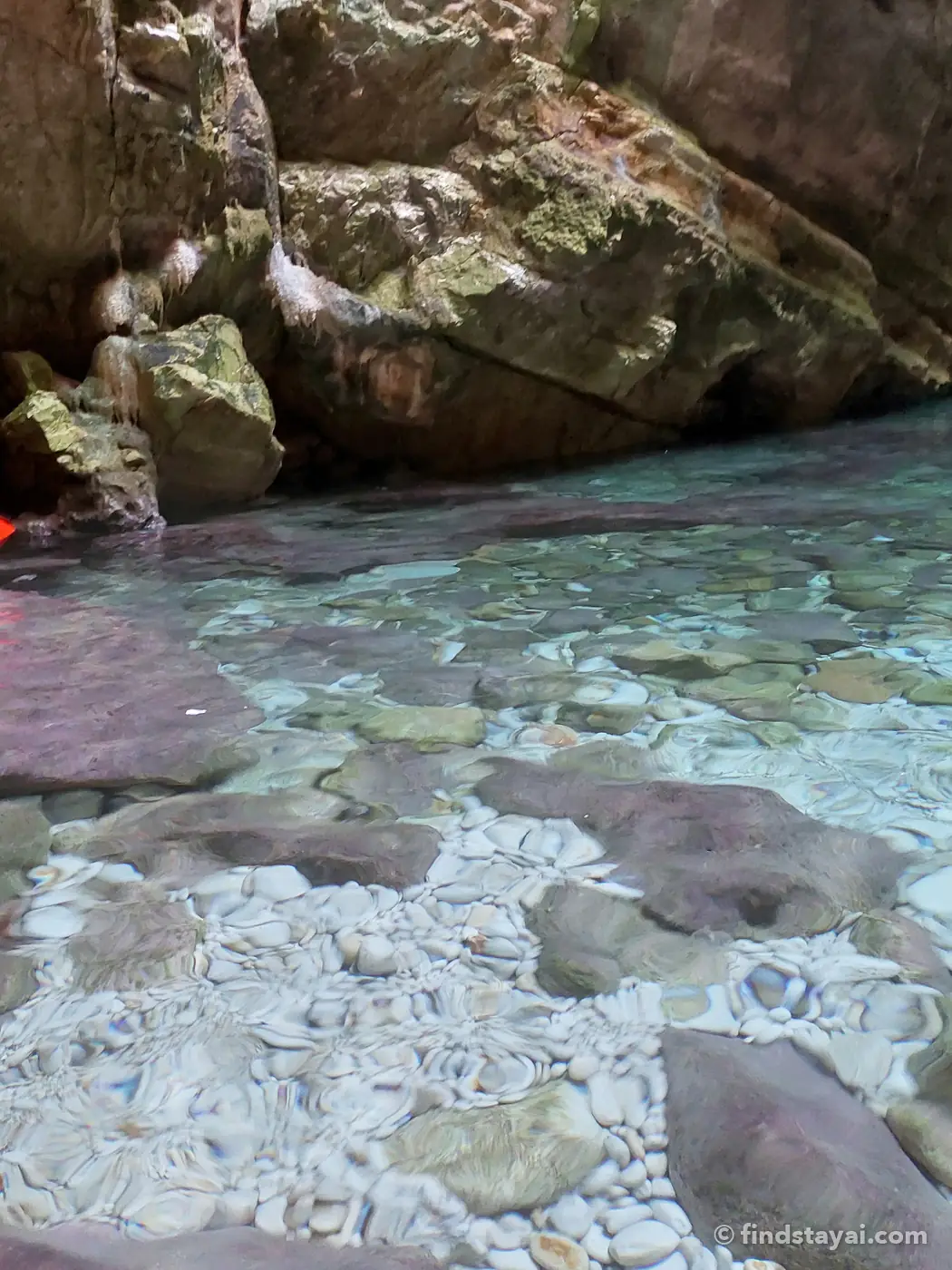
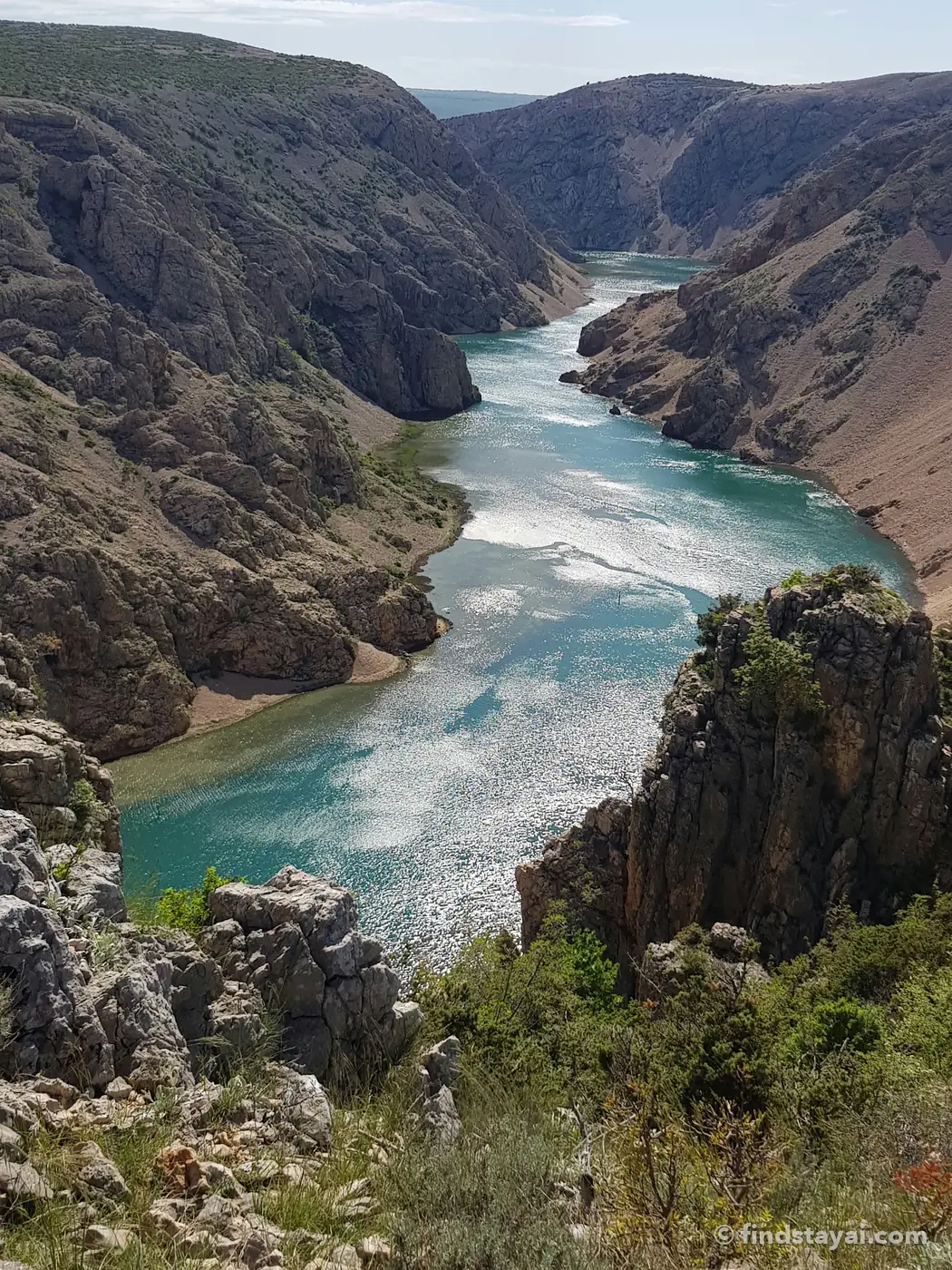
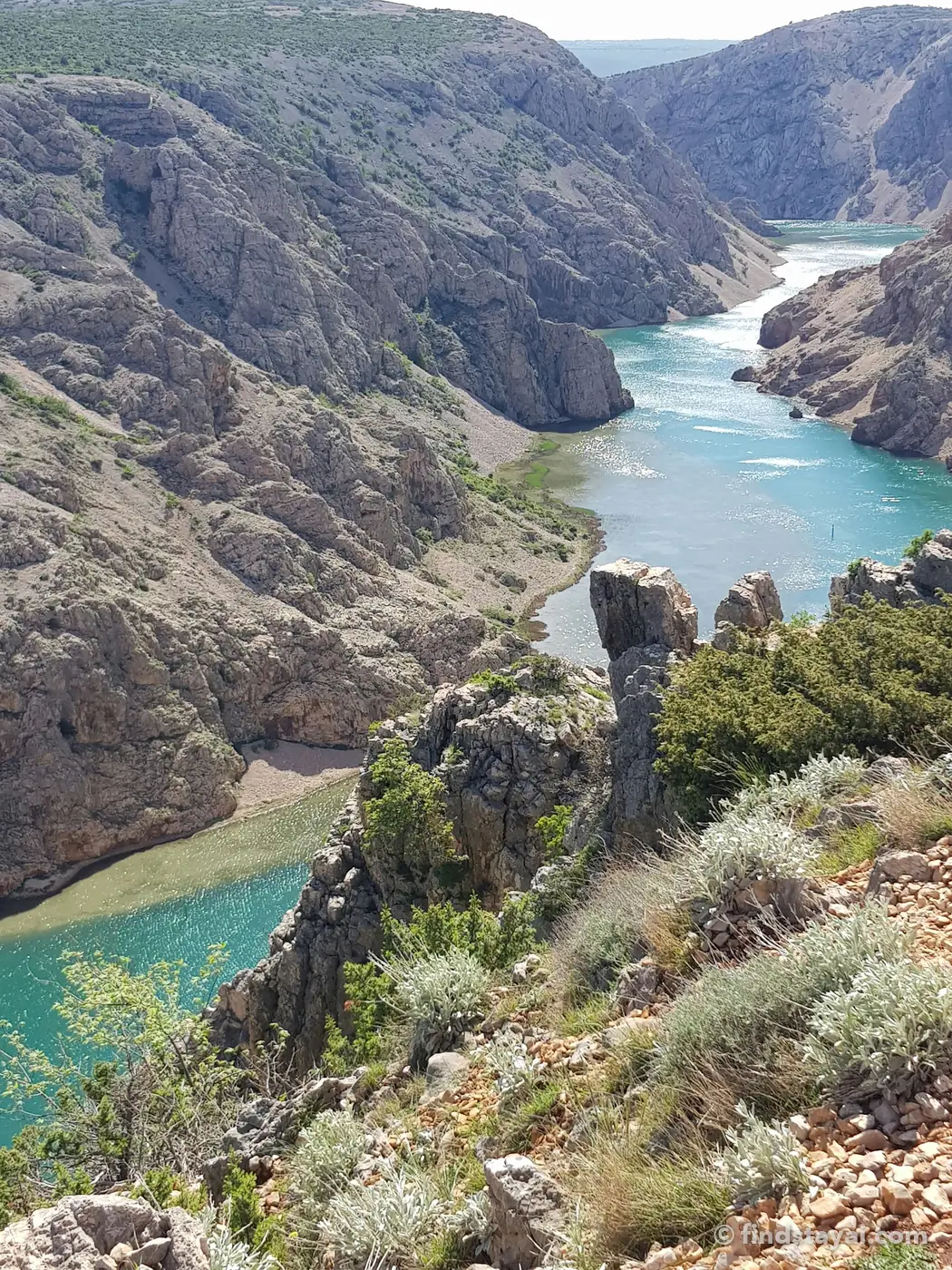
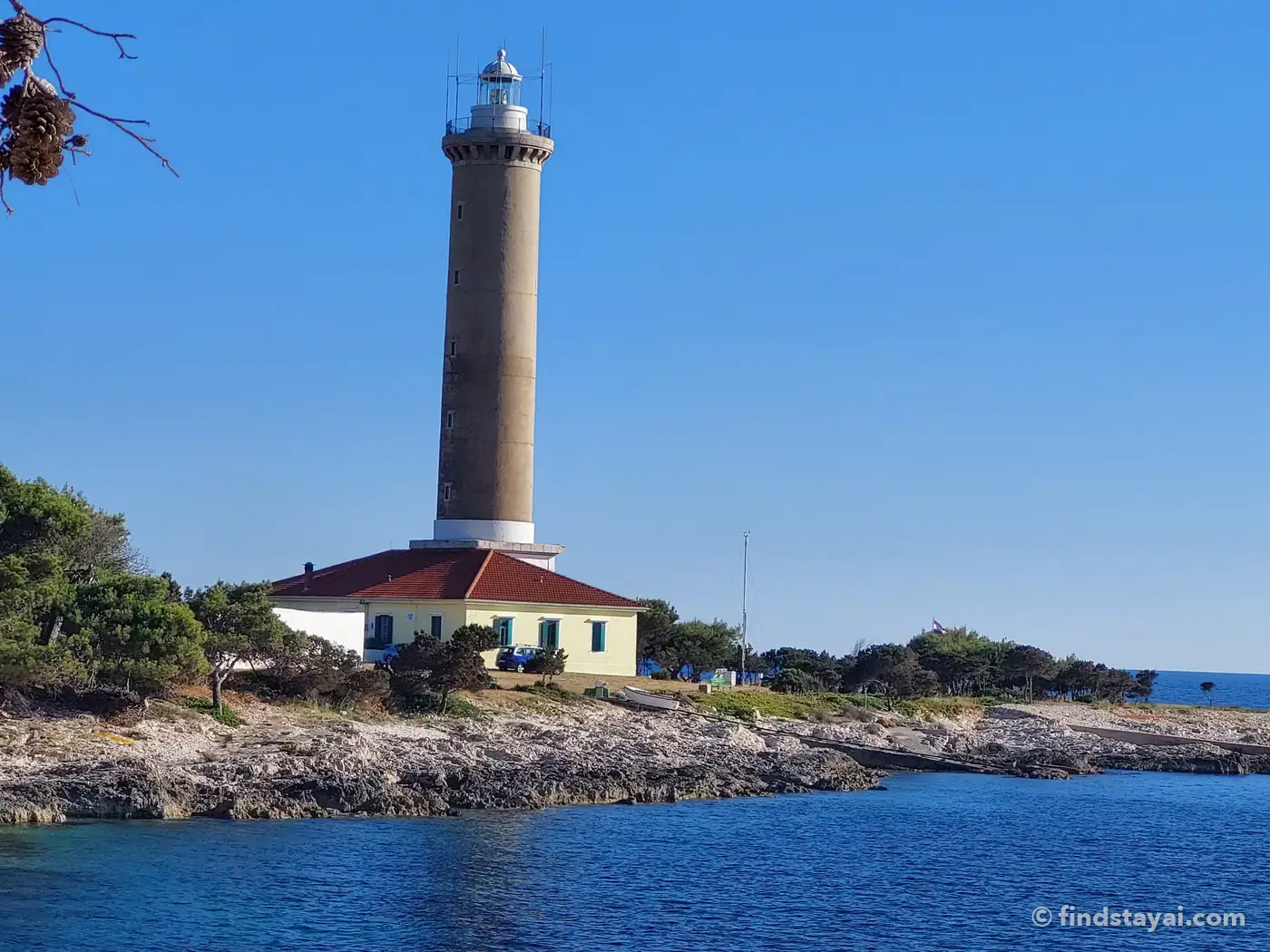
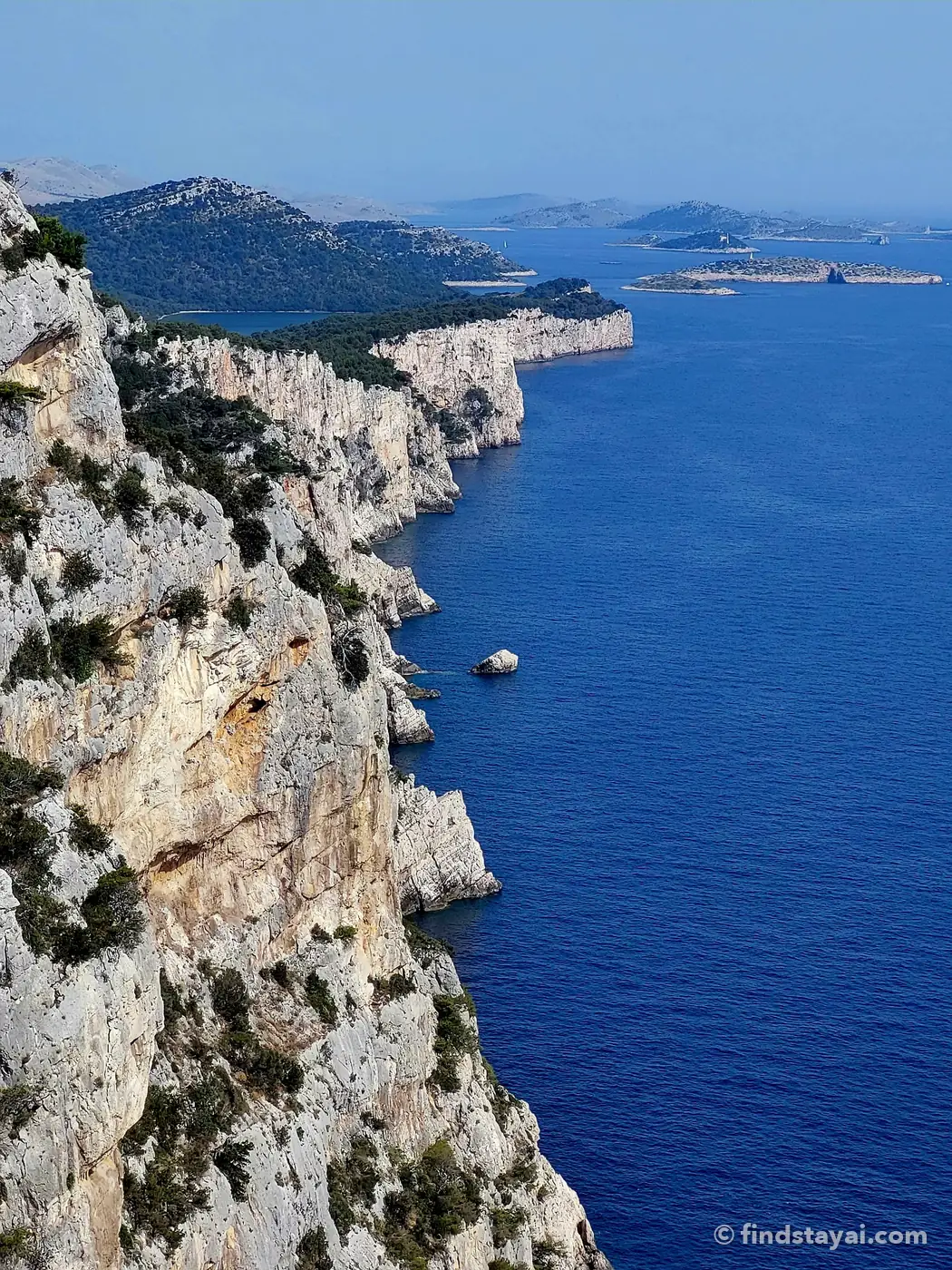
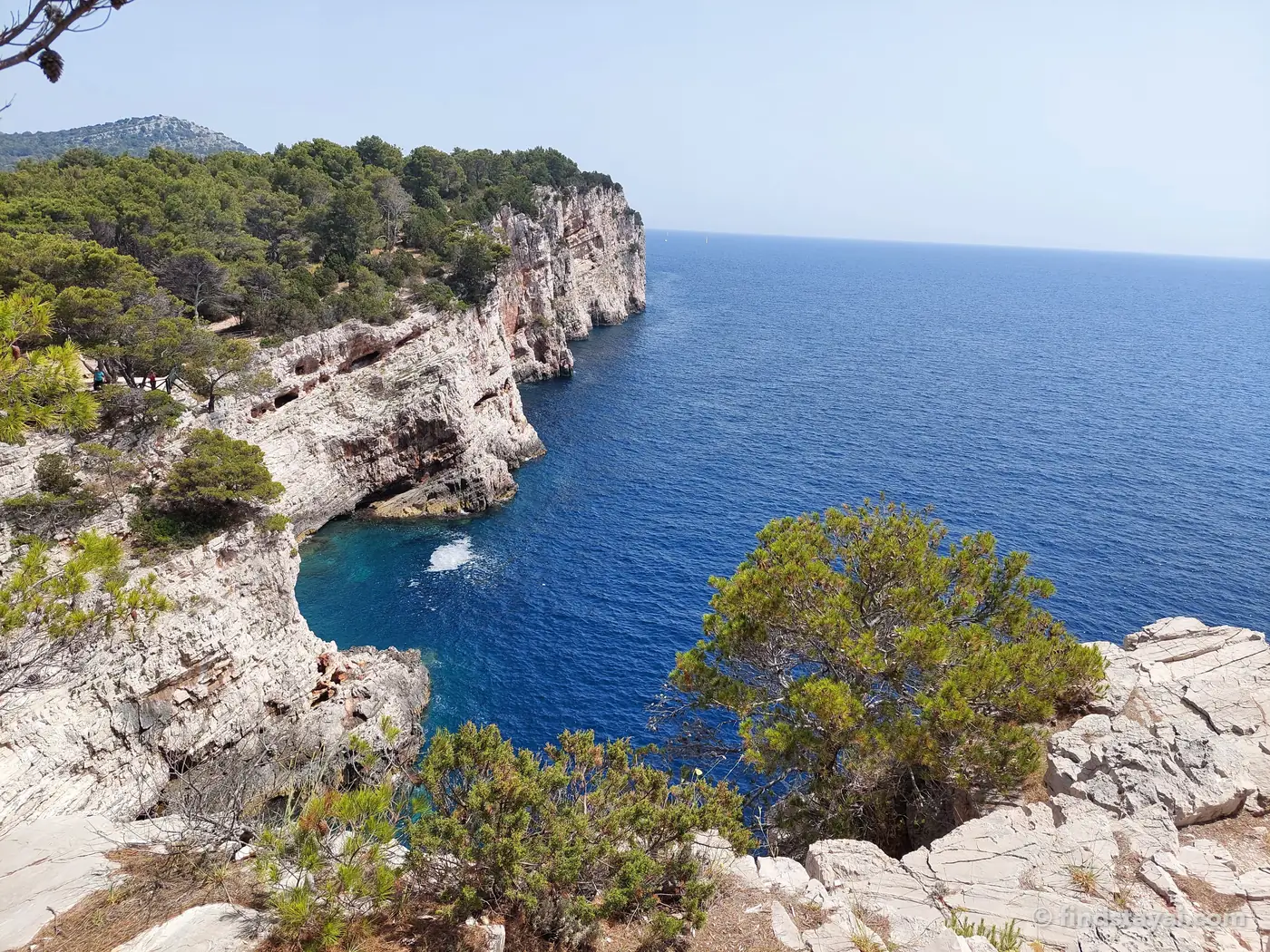
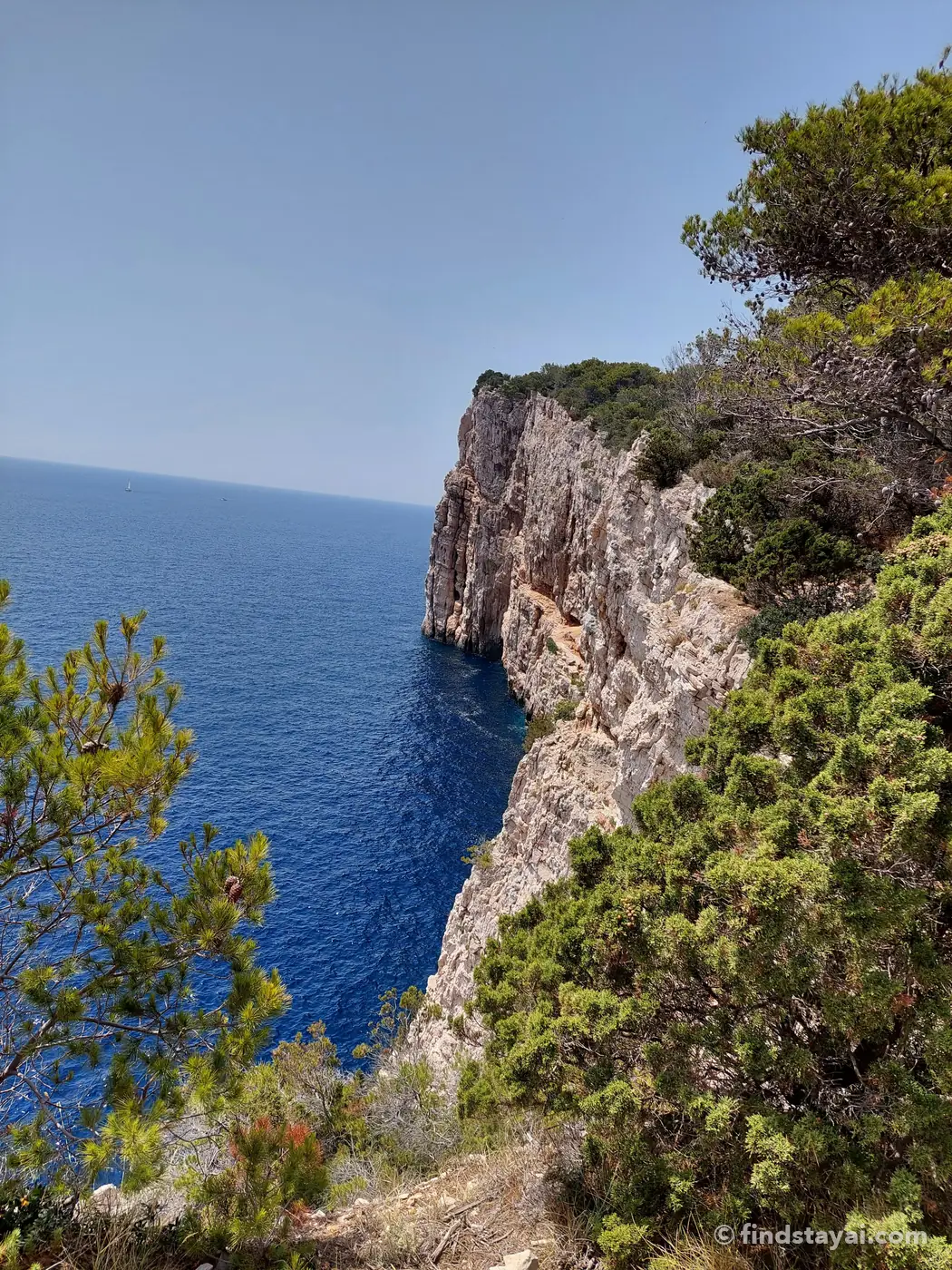
Our photos: Dugi otok, Telašćica and the Zrmanja canyon
Taken by our team on the coast. Tap a photo to open it larger.
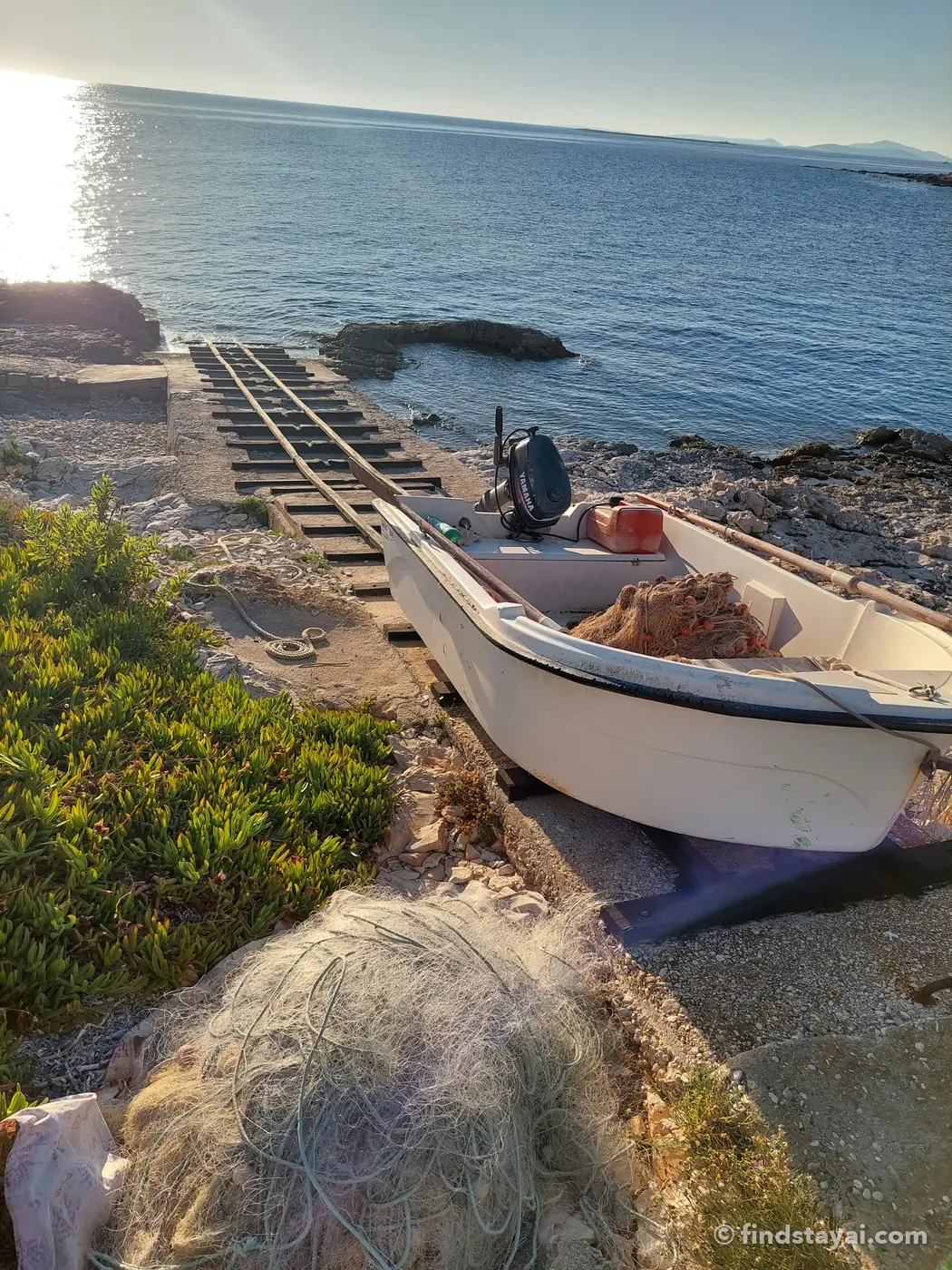
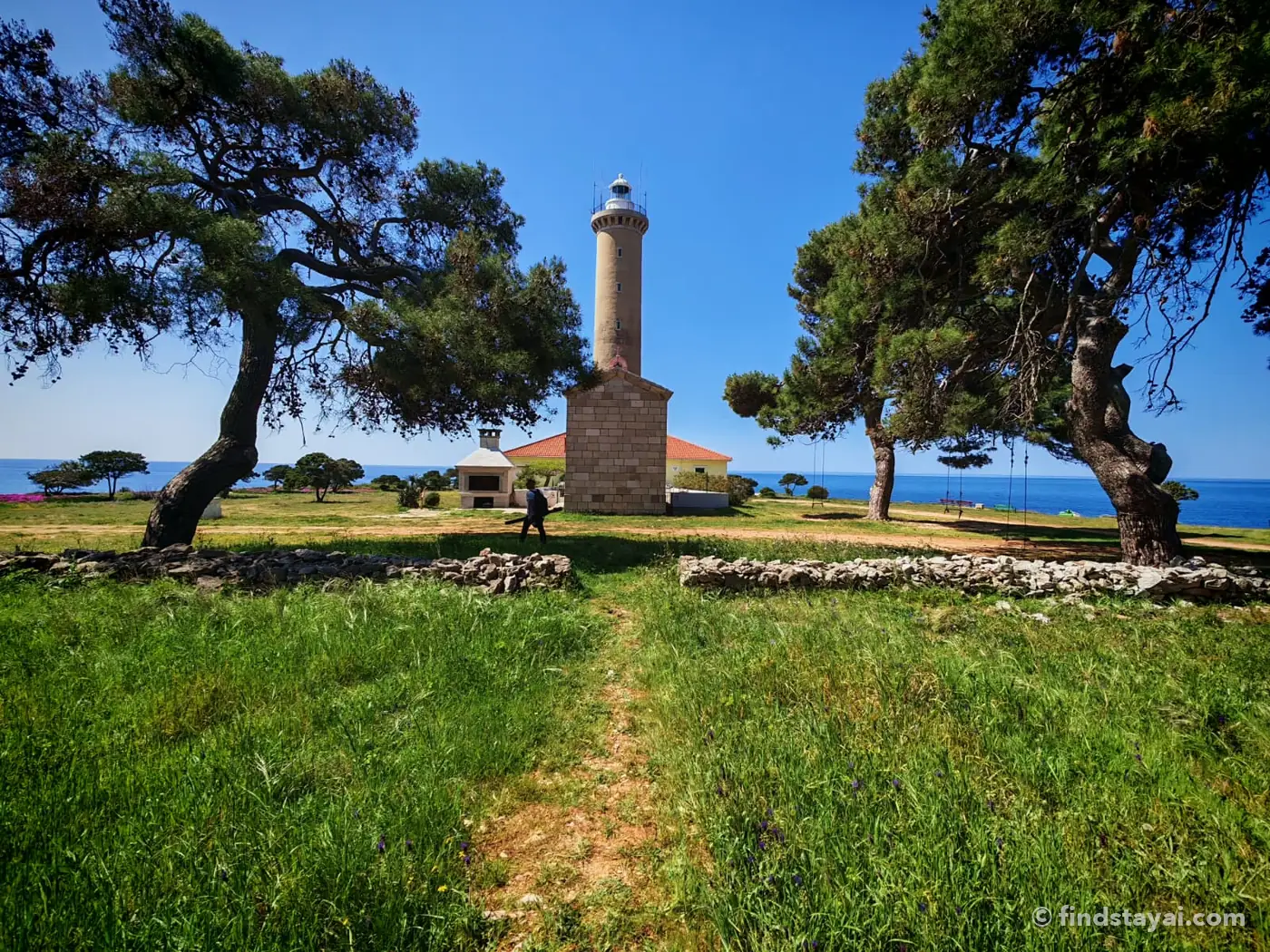
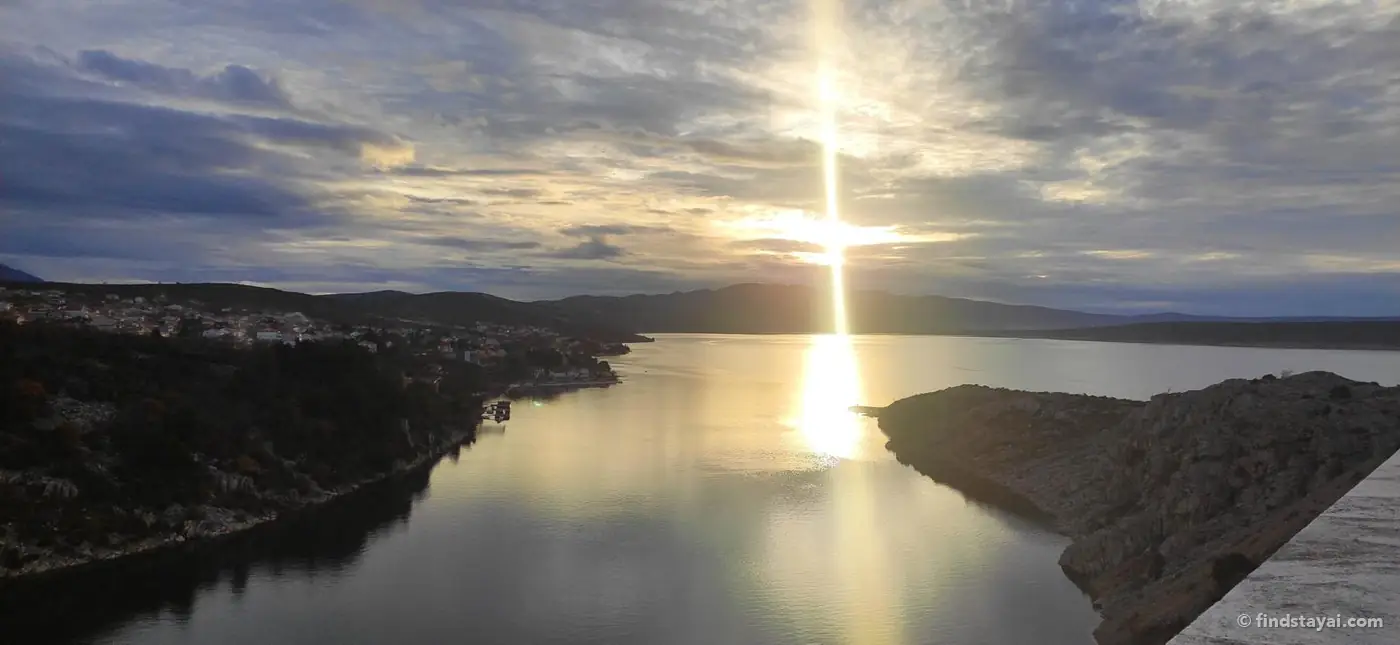
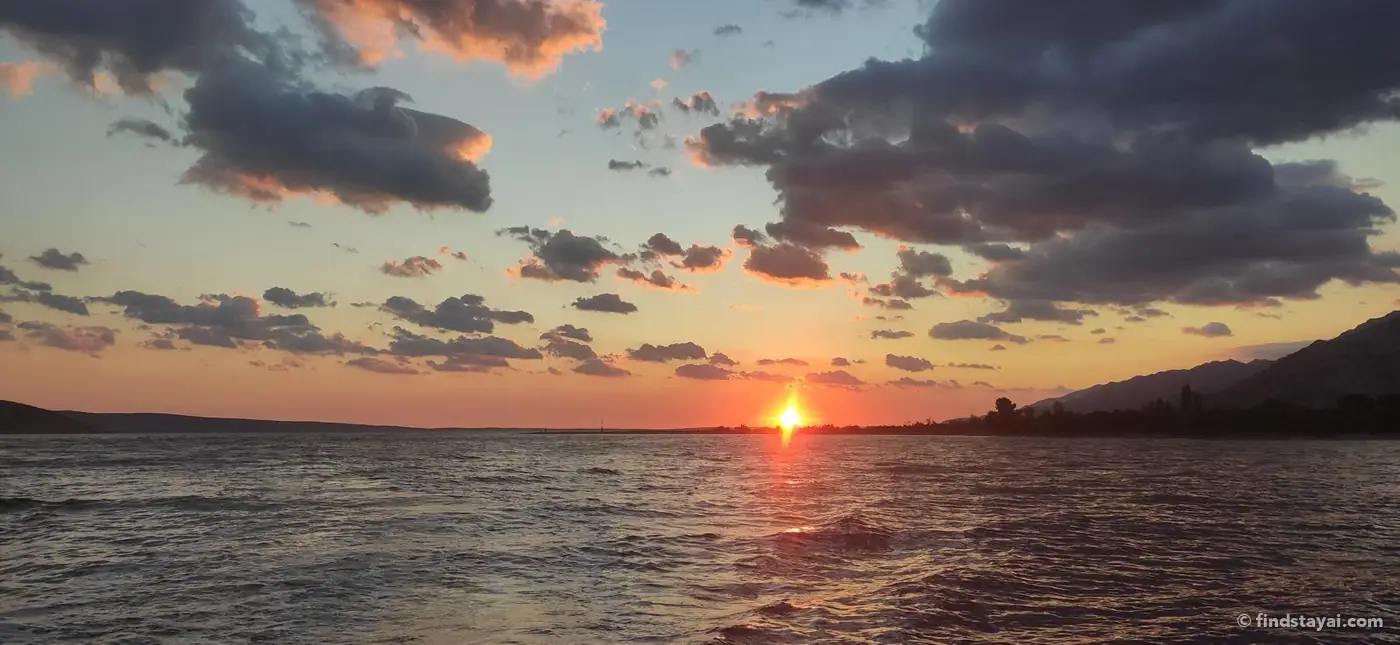
What to see around Zadar — map
Old forts and churches, beaches, viewpoints and nature, with how to get there and how long a visit takes. Tap a pin or a place in the list.
- 1
Forum (Rimski forum)
HeritageThe largest Roman forum on the eastern Adriatic, begun under Augustus. Paving, steps, scattered stone fragments and a lone column, the medieval 'Pillar of Shame', sit in the middle of the old town.
- 2
Crkva sv. Donata
HeritageZadar's landmark: a round pre-Romanesque church from the 9th century, built partly with stones taken from the Roman forum. The bare, two-storey interior is open to visitors and hosts summer concerts.
- 3
Zvonik katedrale sv. Stošije
ViewpointsBell tower of St Anastasia's, the largest cathedral in Dalmatia (12th–13th c.). The climb up the narrow stairs ends with the best view over the old-town roofs, the islands and the sea.
- 4
Morske orgulje i Pozdrav Suncu
ViewpointsStone steps at the tip of the peninsula hide pipes that the waves play like an organ (2005, Nikola Bašić). Next to it, the Greeting to the Sun glass circle lights up after Zadar's famous sunset.
- 5
Kopnena vrata i Trg pet bunara
HeritageRenaissance city gate (1543) with the winged lion of Venice, the main way into the walled town. A few steps away, Five Wells Square sits on a 16th-century cistern, below the Queen Jelena Madijevka park on the walls.
- 6
Muzej antičkog stakla
HeritageA palace on the edge of the old town holds one of the finest collections of Roman glass: perfume bottles, cups and urns found in graves around Zadar, plus a small workshop showing glassblowing.
- 7
Plaža Kolovare
BeachesZadar's main city beach, where locals swim: pebbles and concrete platforms shaded by pine trees, with cafés along the promenade. Handy for a swim between sightseeing in the old town.
- 8
Plaža Borik
BeachesShallow, family-friendly beach of sand and fine gravel in Zadar's Borik resort area, with pine shade, showers, cafés and water sports. The quieter Puntamika coves and lighthouse are next door.
- 9
Crkva sv. Križa, Nin
HeritageTiny 9th-century church called 'the smallest cathedral in the world', whose windows act as a sundial and calendar. It stands in Nin's old town, a small island in a lagoon linked by stone bridges.
- 10
Crkva sv. Nikole (Prahulje)
HeritageSmall early-Romanesque church (11th–12th c.) with a later lookout turret, standing alone on a prehistoric mound in the fields outside Nin. By tradition, Croatian kings were presented here. Best at sunset.
- 11
Solana Nin i Muzej soli
HeritageSalt pans worked for about 1,500 years using only sun, sea and wind. A small Museum of Salt and 45-minute guided walks among the pools explain the harvest; crystallisation is visible in summer.
- 12
Kraljičina plaža
BeachesNin's best-known sandy beach, about 3 km long, with warm, very shallow water ideal for small children. Medicinal mud (peloid) from the lagoon nearby is used here for rheumatism and skin conditions.
- 13
Plaža Ždrijac
BeachesLong sandy beach on the spit across the lagoon from Nin's old town, with shallow water and views of the Velebit mountains. Popular with families and roomy even in August.
- 14
Plaža Duboka draga, Vrsi
BeachesSmall pebble cove near Vrsi with very clear water, rocks for snorkelling and a view across to Velebit. Quieter than the sandy beaches of Nin, but with little shade and few facilities.
- 15
Tvrđava sv. Mihovila, Ugljan
ViewpointsRuined medieval fortress on a 265 m hilltop of Ugljan island. From the walls the view takes in Zadar, the Velebit range and dozens of islands towards the Kornati.
- 16
Tvrđava Fortica, Novigrad
ViewpointsRuins of a 13th-century fortress above the fishing village of Novigrad, where Queen Elizabeth of Hungary-Croatia was held captive and killed in 1387. Wide views over the Novigrad Sea and Velebit.
- 17
Vidikovac Pariževačka glavica (kanjon Zrmanje)
ViewpointsClifftop viewpoint about 200 m above the emerald Zrmanja river where it winds through its canyon towards the sea, with Velebit behind. The canyon was a film set for the Winnetou westerns.
- 18
Maškovića han, Vrana
HeritageThe westernmost Ottoman caravanserai, built from 1644 for Jusuf Mašković, a Vrana-born admiral of the Sultan's fleet. Restored as a heritage hotel, with a courtyard, restaurant and small museum of local finds.
- 19
Vidikovac Kamenjak (Park prirode Vransko jezero)
ViewpointsViewpoint above Vransko jezero, Croatia's largest natural lake, with the sea and the Kornati islands on the other side. A short panoramic nature trail and an info centre with a café start here.
- 20
Kanjon Velika Paklenica (NP Paklenica)
NatureDramatic limestone canyon cutting into Velebit, with cliffs up to 400 m (Anića kuk) famous among climbers. Easy trails follow the stream; longer hikes lead to Manita peć cave and mountain huts.
- 21
Skradinski buk (NP Krka)
NatureDay trip: the biggest waterfall of Krka National Park, a cascade of travertine steps up to 45 m high, seen from wooden walkways. Swimming is no longer allowed; come early or after 3 pm in summer.
Times are approximate and depend on traffic and season. Map data © OpenStreetMap contributors.
Getting there and around
Zadar Airport is at Zemunik Donji, about 8 km from the city as the crow flies, so most of the riviera is 15–30 minutes by car. An airport bus runs into the city in line with scheduled flights. Split Airport is roughly an hour and a half to two hours away by motorway. If you drive from the north, the A1 motorway has two Zadar exits; for Privlaka and the road towards Vir, many drivers use the Posedarje exit instead. Car ferries to Ugljan, Pašman and Dugi Otok leave from Gaženica port south of the centre.
In the city, walking and local buses cover most needs, and the footbridge across the harbour links the peninsula to the Kolovare side. Parking on the peninsula is limited and paid in summer, so leave the car at your stay if you can. For the villages along the riviera, a car makes life much easier: buses exist but are infrequent, and beaches like Sabunike or Zukve are awkward without one. Nearly all our stays in this area come with private parking.
When to go
July and August are the peak months: the sea usually sits in the mid-20s °C, the sandy beaches around Nin and Privlaka are at their busiest and prices are highest. June and September are the sweet spot, with warm water (September often still averages over 23 °C), fewer people and noticeably better value. The long-running Musical Evenings at St Donatus fill the old church with chamber and early music, usually through July and into early August. From October to April the city stays open as a working town, but many beach bars, seasonal restaurants and some village apartments close, and the sea drops well below swimming temperature.
Good to know
- One of the few areas with genuinely sandy, shallow beaches — Nin and Privlaka are family favourites.
- Base yourself in a nearby village (Privlaka, Sukošan, Bibinje) for beaches, or the peninsula for the sights.
- Don't miss the Sea Organ and Greeting to the Sun at sunset — arrive early for a spot on the steps.
- Boat trips to the Kornati islands and Dugi Otok's Saharun beach leave from the harbour.
Where people stay
Popular spots in and around Zadar:
Find the right kind of stay
Smaller places around Zadar
Stays in Zadar right now
Loading current offers…
Frequently asked questions
Does Zadar have sandy beaches?
The city beaches are mostly pebble with some sandy patches, but the wider Zadar riviera has more sand than almost anywhere else in Croatia. Nin's Queen's Beach and lagoon beaches, and bays in Privlaka such as Sabunike and Mostina, are genuinely sandy and very shallow. Borik in the city mixes sand and fine pebbles. If sand matters, base yourself around Nin or Privlaka.
Is Zadar good for families with small children?
Yes, particularly outside the city. The shallow sandy bays around Nin and Privlaka let toddlers paddle safely a long way from shore, and many of our stays around Zadar are family apartments or holiday homes with outdoor space and a grill. In town, Kolovare and Borik have lifeguards and facilities in summer. A self-catering apartment with parking is the most practical setup.
Do I need a car in Zadar?
Not if you stay in the city: the old town is walkable, and buses reach Borik and Kolovare. For the riviera villages it is strongly recommended, because buses are infrequent and the best sandy beaches are spread out. A car also makes day trips to Krka, Paklenica or Vir easy. Almost all our stays here include free parking.
When is the cheapest time to stay near Zadar?
May, early June and from mid-September into October generally offer the best value, with far lower demand than July and August. The sea is warm enough for most people from June to early October. Off-season stays in winter are cheapest of all, but expect many beach bars and seasonal restaurants to be closed.
Where should I stay in Zadar: the city or a nearby village?
Choose the city, or Diklo and Borik, if sightseeing, restaurants and evening walks matter most. Choose Nin, Privlaka or Vrsi for sandy, shallow beaches and a quieter family rhythm, and Bibinje or Sukošan for a village feel close to the airport. Most of our stays are in the villages, which usually means more space and parking for the money.
Find your stay in Zadar
Describe what you need — dates, who's travelling, budget, how close to the beach — and our AI finds matching apartments, rooms and houses.
Start your search →Live availability and prices come from our booking partners. Numbers above are approximate and change with the season.